Project Three
Edecks – Live Project
For this project, the graphics group was split into teams and tasked with collaborating alongside business students on a live brief for the company eDecks. The aim of this project was to produce assets that aligned with eDecks’ seasonal goals. Specifically, the company wanted to promote winter sales, increase customer loyalty, and reduce inventory build-up during the off-season. This was a good opportunity to work with a real client and understand how design functions in a commercial context, alongside learning how to communicate effectively with external teams
Subject, Audience & Purpose
At the beginning of the project, our group carefully analysed the client’s brief to identify eDecks’ core objectives and expectations. After a group discussion, we summarised the brief and prioritised our focus around four key goals:
- Boosting sales during the winter months.
- Encouraging customers to make purchases outside of peak seasons.
- Reducing excess inventory during colder months when trade typically slows down.
- Strengthening customer loyalty through effective branding and engagement.
To ensure our design decisions aligned with the target market, we conducted demographic research and identified that the primary audience for eDecks includes gardeners, DIY enthusiasts, small-scale landscapers, builders, and tradespeople. These are individuals who frequently require materials such as decking, fencing, and timber products, all of which eDecks offers.
We decided that the ideal age range to target would be 28 to 40 years old, as individuals in this bracket are more likely to be financially stable, own homes or run businesses, and have more disposable income to invest in outdoor projects—even during colder seasons. We also recognised the need to keep the content accessible and engaging to both experienced tradespeople and casual hobbyists alike.
Relevant Design History
To gain a better understanding of how to effectively promote Decks, we reviewed a range of competitor websites. This helped us identify common user interface patterns, design strengths, and potential pitfalls. Key elements we focused on included homepage structure, menu navigation, product categorisation, and overall visual presentation.
Among all the websites we explored, Robert Dyas stood out as a leading example of good practice. It had a balance between visual clarity and modern aesthetics. The layout was highly intuitive, and customers could easily locate specific product categories without excessive scrolling or searching. We particularly liked its use of white space, consistent colour palette, and modern typeface—all of which contributed to a user-friendly and professional experience.
In contrast, some eDeck’s site appeared overly cluttered or lacked visual hierarchy, making it difficult to focus on key information or calls to action. These examples helped reinforce the importance of keeping our designs clean, navigable, and focused on the customer journey.
Project Development
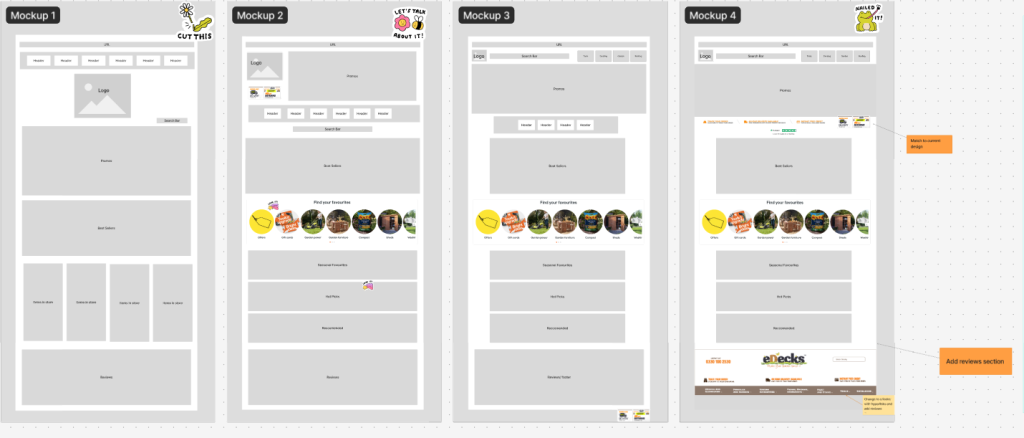
Following initial research into the company and its competitors, we divided the workload within the group to ensure an efficient and collaborative development process. My primary responsibility was to design the mock-up for the redesigned eDecks website, while other team members focused on creating supporting visual assets such as banners and icons. Throughout the design phase, we regularly reviewed each iteration of the mock-ups, discussing elements we found effective or ineffective. This feedback loop allowed for continuous refinement and improvement of the overall design.
To further contribute to the visual identity of the brand, we analysed eDecks’ social media and noted their seasonal logo variations, we decided to keep the seasonal branding concept and I designed a set of four logos for spring, summer, autumn, and winter, these versions incorporated seasonal icons and the new, updated typeface.



In addition to our core project tasks, we collaborated with the business group to develop marketing materials aligned with their brief. As i was team lead for the group, I collaborated with the business groups team leaders to understand their requirements. However, communication was limited, which impacted what assets were created, as a result, we were only able to produce one poster within the available time frame. For this task, I worked collaboratively with Sky to revise the initial design.
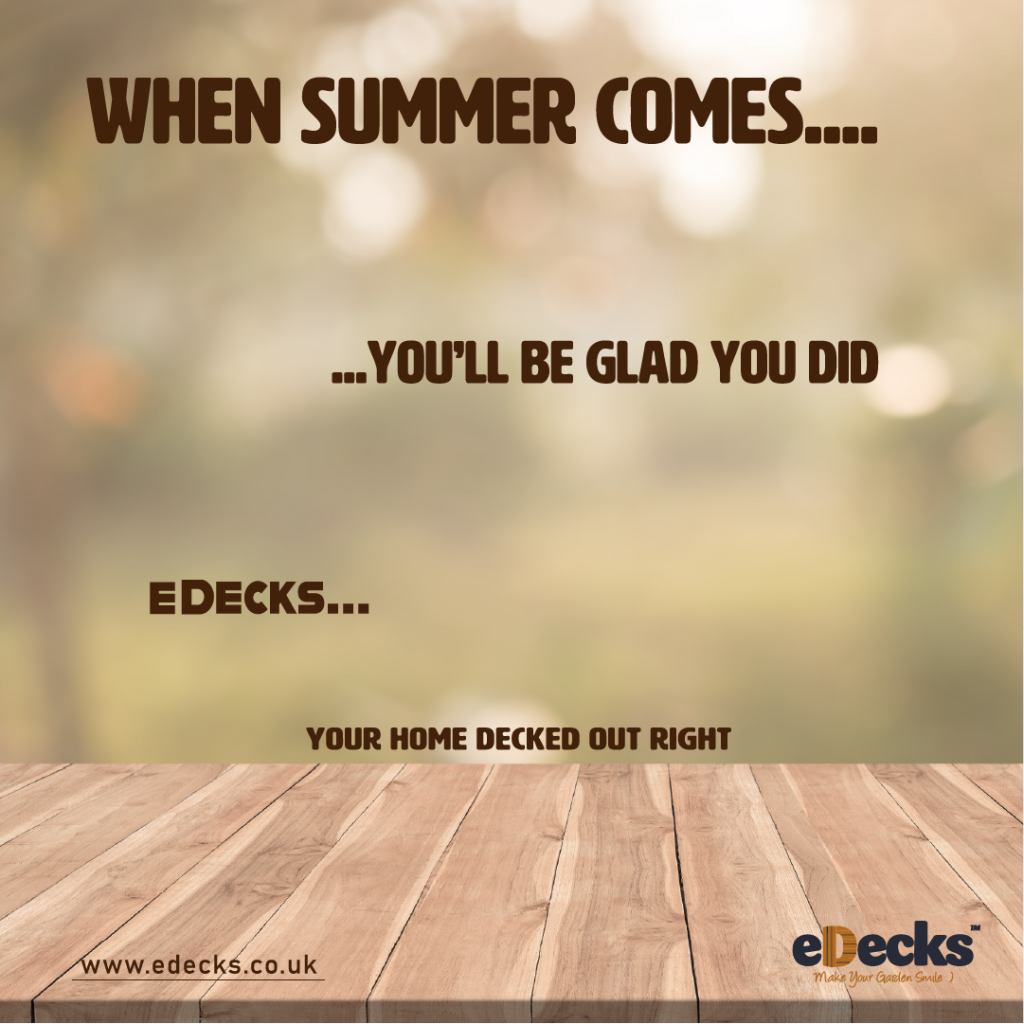

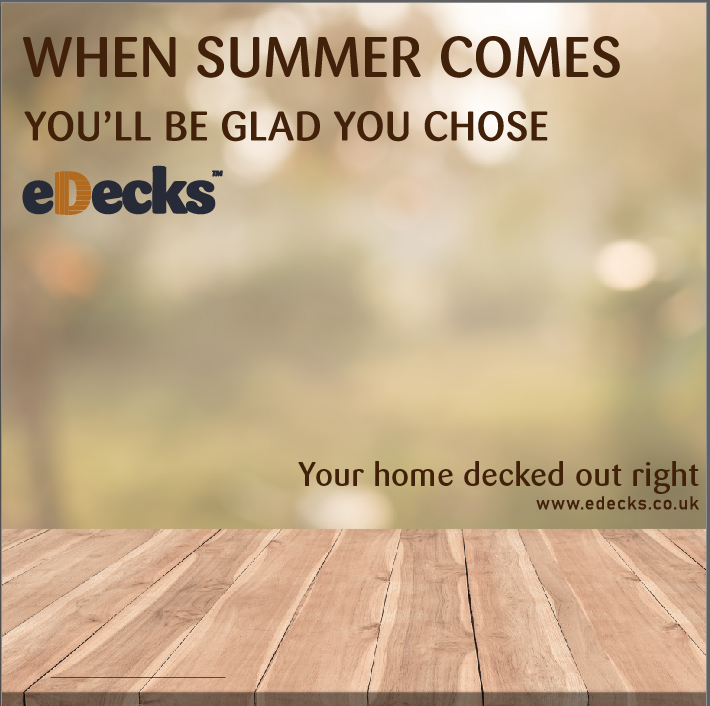
During the poster development, I thought that the original layout had spacing issues and the text was hard to read. To address this, I experimented with an alternative background, though after further discussion with Sky, we agreed to keep the original forest background and instead, we improved the text readability by selecting a thinner, more legible font. This adjustment enhanced both clarity and visibility, particularly from a distance. Final refinements included minor repositioning of elements to ensure a cleaner, more professional appearance.
Teamworking
During the collaboration with the business students and the client eDecks, our group encountered several challenges in maintaining effective communication and coordination. One of the key difficulties we faced was the lack of clear direction from the business students, as they were often unsure of what they needed in terms of design assets. Many of their requests were submitted at very short notice, which made it difficult to plan ahead and allocate our time efficiently. This lack of structure and foresight often led to rushed work, last-minute revisions, and added pressure on our group to produce high-quality content within very tight timeframes.
Additionally, there was limited engagement from some members of the business group when it came to collaborative discussions. This made it harder to understand their vision and priorities, which in turn affected how effectively we could tailor our designs to meet their needs. At times, the absence of consistent communication and feedback meant that decisions were delayed or remained unclear, hindering progress.
Although the collaboration was at times frustrating, the experience was ultimately a valuable learning opportunity. It taught me, Sky, and Alistair the importance of setting boundaries and remaining resilient under pressure. We developed the ability to communicate our limitations professionally and negotiate when requests were unreasonable. Learning how to advocate for our own time and creative process without compromising the final output was a crucial skill we took away from this experience. It reinforced the importance of project management, time estimation, and the necessity of clear, early-stage planning when working with outside groups.
In contrast, the collaboration within our own group—between myself, Alistair, and Sky—was significantly more effective and well-organised. From the outset, we agreed on roles and responsibilities, which allowed us to divide tasks efficiently and focus on our individual strengths. We established a shared understanding of deadlines and regularly checked in with each other to ensure progress was steady and expectations were being met. This open line of communication helped us maintain momentum throughout the project and enabled us to recognise any issues early on.
Furthermore, our shared motivation and consistent work ethic played a major role in the success of our internal collaboration. Each team member contributed ideas and took initiative. The contrast between the internal and external collaboration processes helped us appreciate the value of teamwork built on mutual respect, structure, and communication.
Overall, while the collaboration with the business students presented several obstacles, it also gave us a realistic insight into the complexities of working with external groups. It ultimately improved our teamwork, adaptability, and communication skills.
Rob’s Psychometric Test
As part of one of our sessions, we were asked to take a psychometric test designed to assess our working styles, personality traits, and potential strengths within a team environment. The purpose of this exercise was to create balanced and effective groups based on how we naturally interact with others and the roles we are likely to take on in collaborative settings. Once the results were analysed, I was placed into a group with Callum and Sky. According to the feedback we received from the test, I was assigned the leadership role for our group project.
Although I was comfortable taking on a leadership position and have had experience leading group projects in the past, I wanted to ensure that the leadership responsibilities were shared, and that all group members had the opportunity to contribute equally. I wanted to ensure that others could take initiative, and share ideas.
In the early stages of the project, we began by brainstorming several concepts together. Each member of the group brought forward different ideas based on their own interests and creative visions. We encouraged open discussion, allowing each person to pitch their concept and explain their thought process. Eventually, we decided to move forward with Sky’s idea, which was to produce a stop-motion animation of a dancer. We felt this idea had strong visual potential and could be executed effectively within the scope and timeframe of the project.
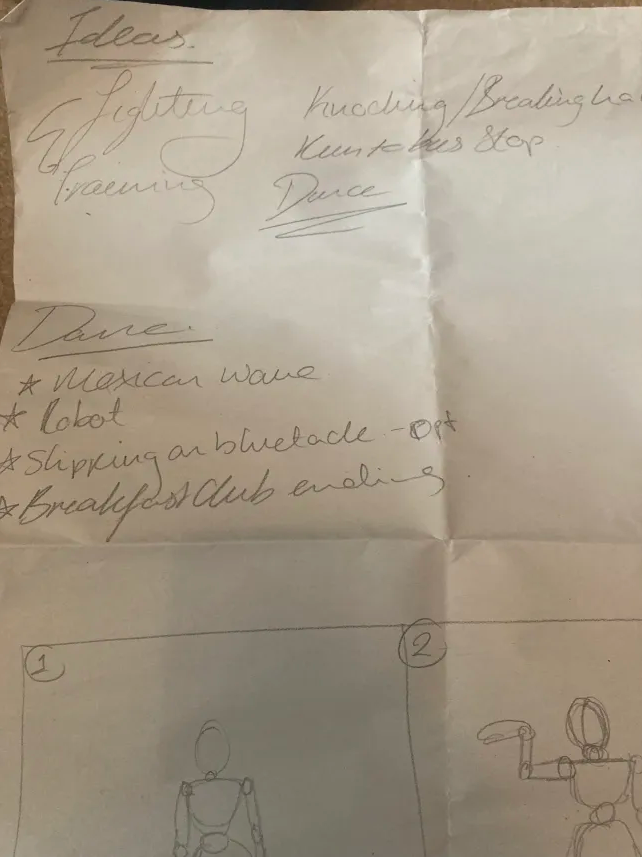
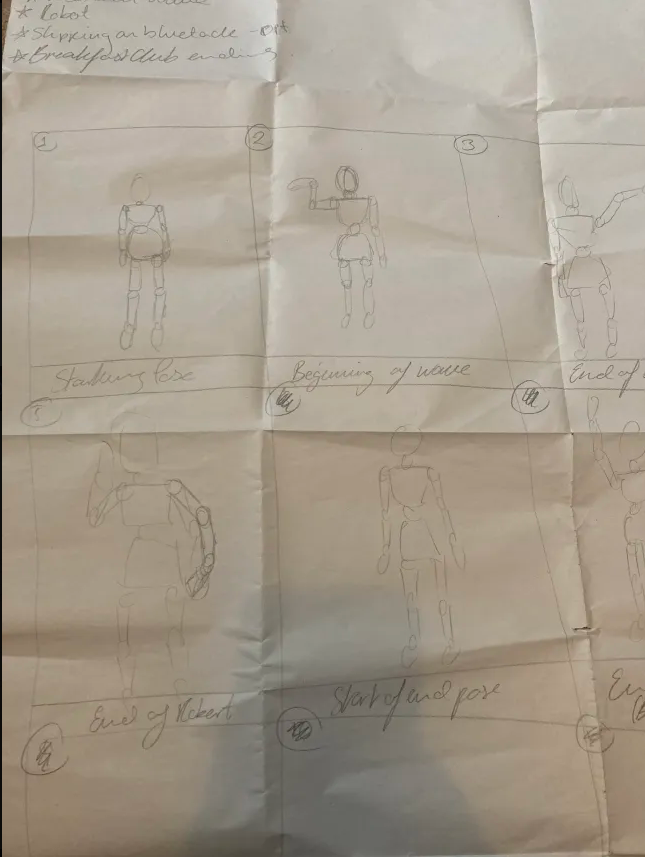
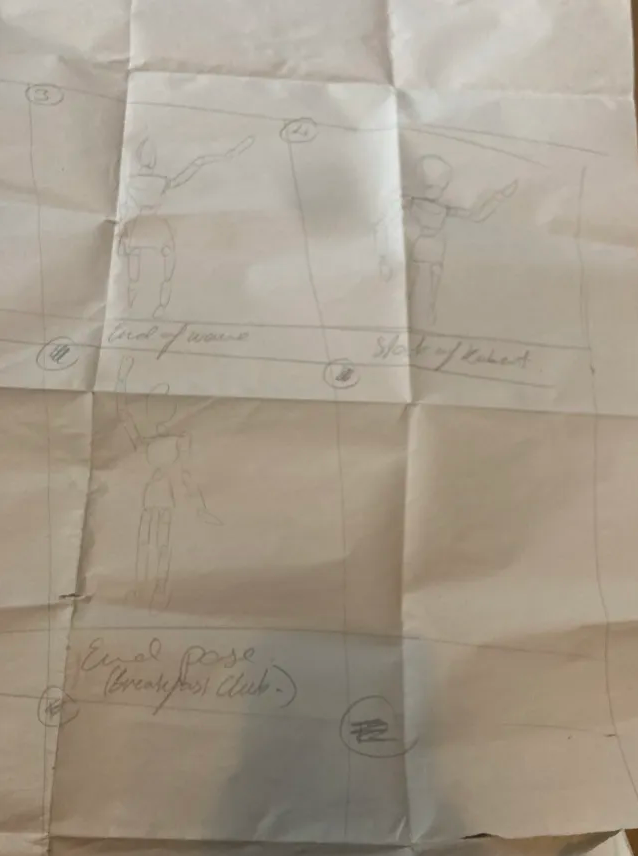
The decision to select Sky’s idea was made collectively, and I supported it fully. I wanted to make sure in all group work that everyone’s voice was heard and everyone feels that they added value to the group. This approach not only made the group dynamic more positive, but also motivated each member to stay engaged and invested in the project.
Overall, the project was a valuable experience in collaborative leadership, compromise, and creative development. It reaffirmed my belief that effective leadership is not always about directing others, but about supporting a team in a way that brings out the best in everyone involved.
Live Design Brief Portfolio Video
Video presentation:
Website Final Design:
REFERENCE:
Sky Smith (2025). homepage done. [online] YouTube. Available at: https://www.youtube.com/watch?v=u_tCPpDypOg. [Accessed 06/05/2025]