Portfolio/Production
Production Piece:
Narrated video:
The link if the embedded file isn’t working: https://youtu.be/SEDu8RtJKiQ
Un-Narrated:
The link if the embedded isn’t working: https://youtu.be/8IdHeISZwWk
Interactive Product:
The link if the embedded isn’t working: https://youtu.be/COjm5FPFnxA
Development Log: Emerging Technologies Project
This project explores how traditional graphic design practices, such as poster design, can connect with interactive digital formats through the use of 3D assets and immersive environments. The aim was to find creative ways for users to engage with visual storytelling while learning something new, my intention was to merge two goals -teaching and entertaining - by creating something visually interesting that also encourages curiosity and understanding of mythological stories.
The project focuses on the myth of Orpheus and Eurydice, a Greek myth about love, loss, and music. I designed a set of posters to introduce this story and then used an interactive digital scene to make the posters more engaging. The initial plan was to use augmented reality (AR) with image tracking using the 8th Wall platform so that viewers could scan the posters and see 3D elements appear and move around them, however, technical issues with link sharing made it unable to deliver the AR experience as planned as it was a site issue. To adapt, I created a 360-degree video version of the project so users can still explore the models connected to the posters.
Purpose and Concept
The main purpose of my project was to connect traditional poster design with interactive 3D elements. I wanted to explore how emerging technologies can make visual design more engaging, educational, and inclusive. The idea of combining teaching with storytelling came from thinking about how children learn through stories read aloud by teachers, storytelling is one of the oldest and most effective ways of learning, and I wanted new technology to bring that same experience into a more modern form.
My posters are designed to teach people about the myth of Orpheus and Eurydice, as well as to inspire curiosity about myths from different cultures, many people learn about Greek mythology in school, but I wanted to use that familiarity to encourage further exploration. The connection to storytelling also links to ideas about user experience (UX) and engagement - the more emotionally or visually involved the viewer feels, the more likely they are to remember the message.
I also wanted to create something accessible to a wide audience, the interactive 360 video format allows people to explore and control what they see, giving them control in how they experience the story, this creates a learning experience that’s immersive and approachable for anyone with a phone or computer.
Research and Inspiration
My research focused first on how other designers have told similar stories visually, particularly focusing on Hadestown, a musical based on the story of Orpheus and Eurydice. The posters and branding for Hadestown use a simple but powerful colour palette: black and deep red. These colours symbolise key emotional themes such as black for death and the underworld and red for love, passion, and heartbreak. These colours communicate the idea that the tone of the story is tragic and emotional.
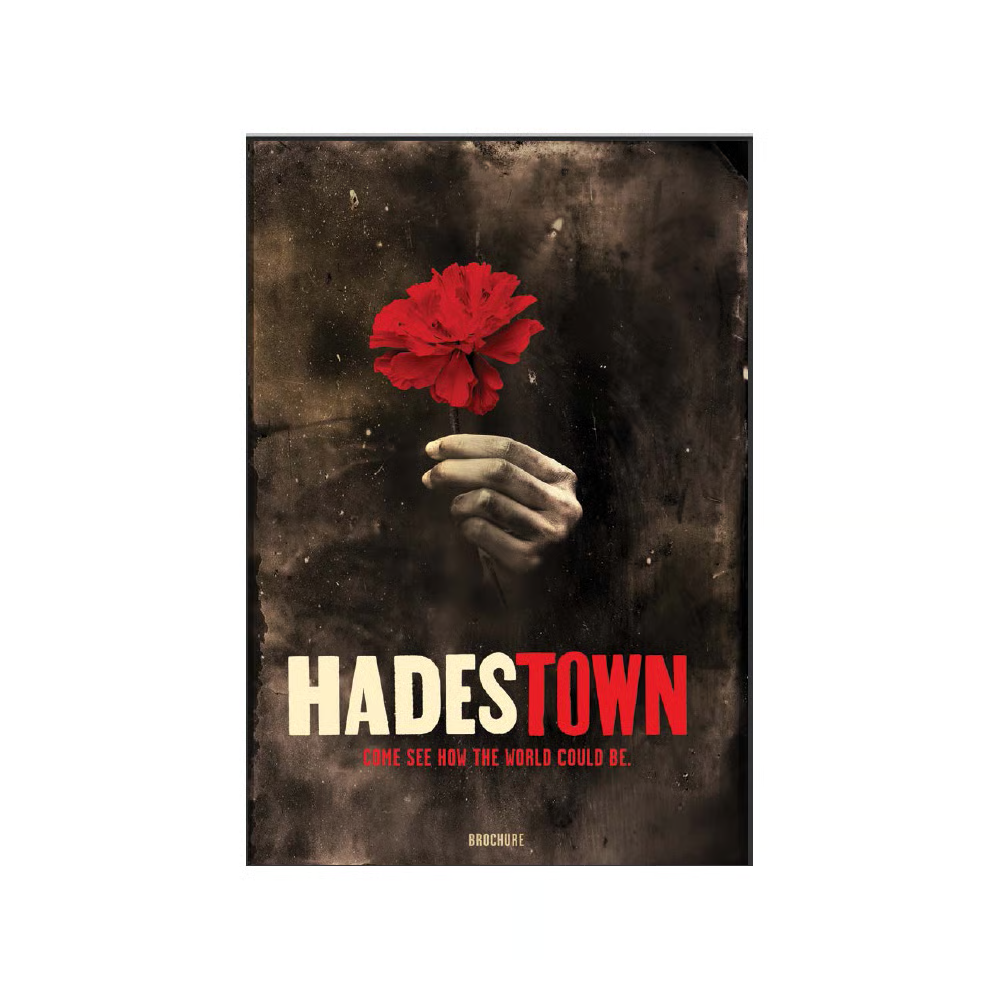
Aside from colour, I looked at composition, typography, and graphical hierarchy. Through this, I learned how people direct attention using focal points, balance imagery with type, and how colour and texture add emotional depth- I also noticed how Hadestown used space and kept minimal visual elements that still stood out.
I also researched how AR and 360 experiences are used in design and communication, looking at interactive museum exhibits helped me understand the how to combine 2D design with 3D environments. For example, museums often use 360 tours to let people explore artwork virtually, which inspired me to think of the 360 scenes as an extension of the poster rather than a separate piece.
Through my research, it helped me determine that the relationship between 2D and interactive 3D/360 design can strengthen user engagement.
Both parts of the project could work together with the posters being used to quickly convey the key story points, while the 360 experience provides a space to explore atmosphere and details in an open-ended way.
Design Process and Visual Development
At first, I focused on poster design. I created multiple rough digital designs inspired by Hadestown. I experimented heavily with contrasting light and dark colours — for instance, dark grey or black backgrounds with isolated reds . However, the first few attempts didn’t achieve the look I wanted. My early illustrations felt flat, and I struggled to make them visually powerful enough to carry a dramatic theme.
The first stylised designs for the posters
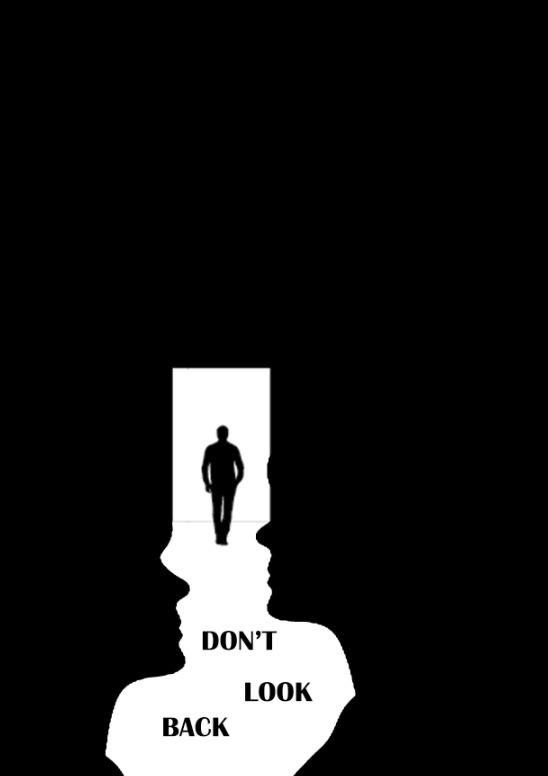
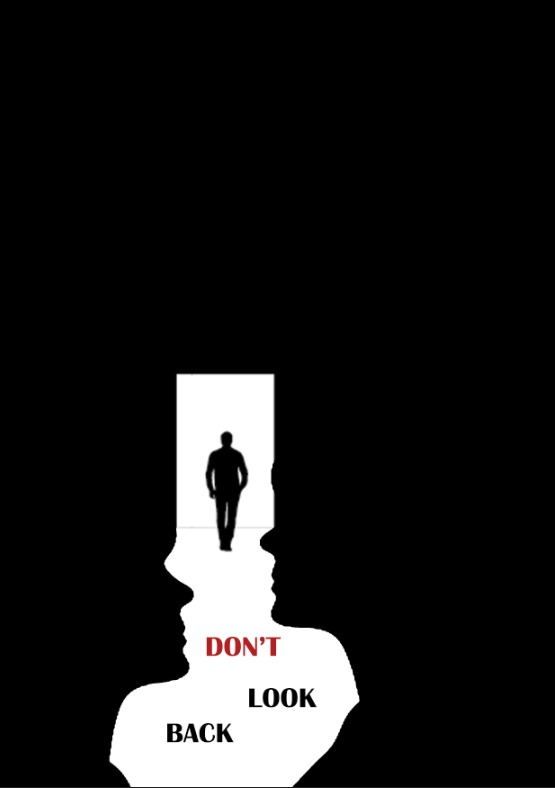
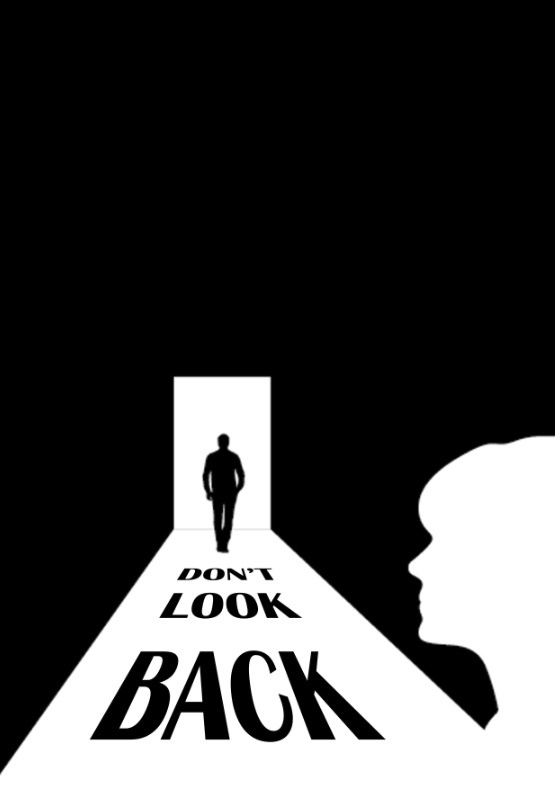
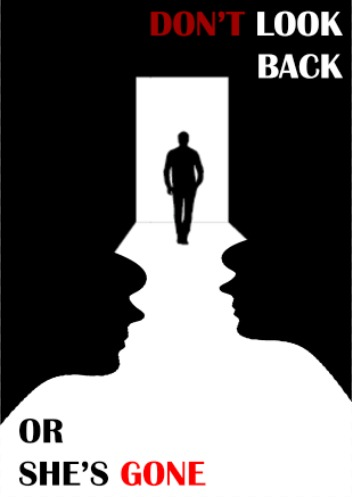
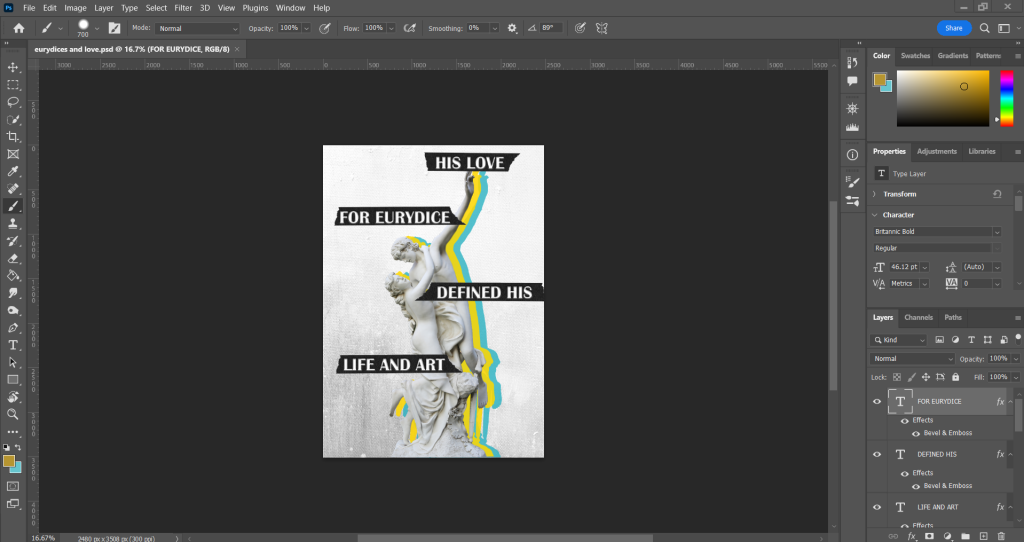
After reflecting on the problem, I decided to change direction. Instead of drawing everything from scratch, I began combining photographic elements with graphic effects. This approach helped me reach a more professional and realistic visual style. I used Photoshop extensively to manipulate and combine images. I created textures, adjusted hues and saturation , and layered visual elements to build mood and symbolism.
Photographic content gave the work more depth and realism, while still leaving room for creativity. For example:
- I used natural textures to symbolise Orpheus and his power to make flowers bloom.
- Utilised black and white to show how bright Orpheus’s world is, for example in the first poster, it has a white background and the colours are saturated, giving the idea that Orpheus is hopeful and creative, but when Eurydice dies, the background is pitch black and the colours have been de-saturated to show the negative impact it had on him, as he progresses, the darkness of the black lightens, until the end where 1/3rd of the poster is white and 2/3rds is black, this is to symbolise that Orpheus left the underworld and is in the land of the living again, but Eurydice wasn’t fully out of the underworld when Orpheus turns around and is now stuck in the underworld.
I also experimented with different typography. I tested serif fonts that felt classical and dramatic, but I also wanted them to read clearly from a distance. I used scale and spacing to guide attention, placing key words where they could complement imagery instead of competing with it.
As I refined the posters, I considered how they might interlink with the 3D scenes later. I kept textures and colours consistent so that the YouTube 360 environments would visually match which made the project cohesive.
Technical Development
The technical side of the project involved combining multiple software tools and adapting to unexpected challenges. My project relied primarily on:
- Adobe Photoshop – for creating and editing the posters.
- Adobe Illustrator – to create vector designs and typography
- Blender – for building and arranging 3D scenes and exporting them as 360-degree environments.
- Adobe Premiere Pro – for assembling and finalising the video content.
Originally, my idea was to use 8th Wall for augmented reality. Users would scan the poster with their phones, and the 3D assets would appear to “come out” of the image, this would have been the ideal way to merge 2D design and digital immersion. However, whilst creating and testing, I discovered that 8th Wall had issues with sharing public project links, which made it impossible to distribute widely or demonstrate easily. After investigating alternatives, I decided to move my 3D work into Blender and produce a YouTube 360 version instead.
Rendering the Blender environments as 360-degree scenes was a learning experience as I had to explore how camera positioning and lighting work differently in panoramic formats. After exporting individual shots, I used Premiere Pro to connect them. I also researched how to maintain image clarity after uploading to YouTube, since 360 videos are often compressed, my solution was to make instructions for users to change the video quality settings manually if the visuals looked blurry.
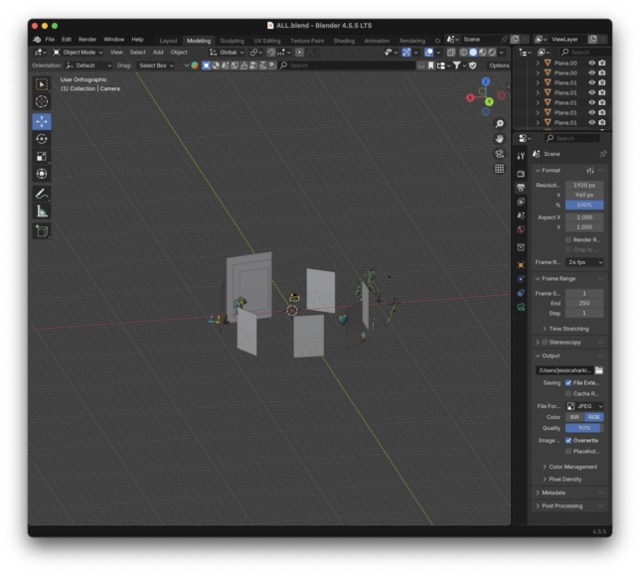 Creating the 360 scene
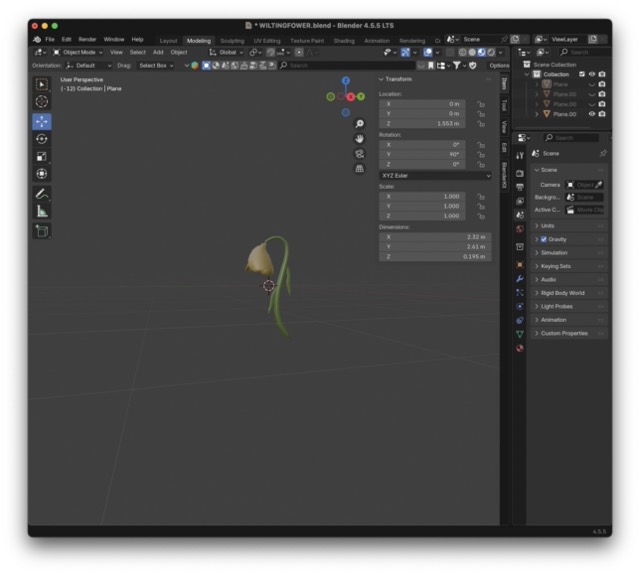
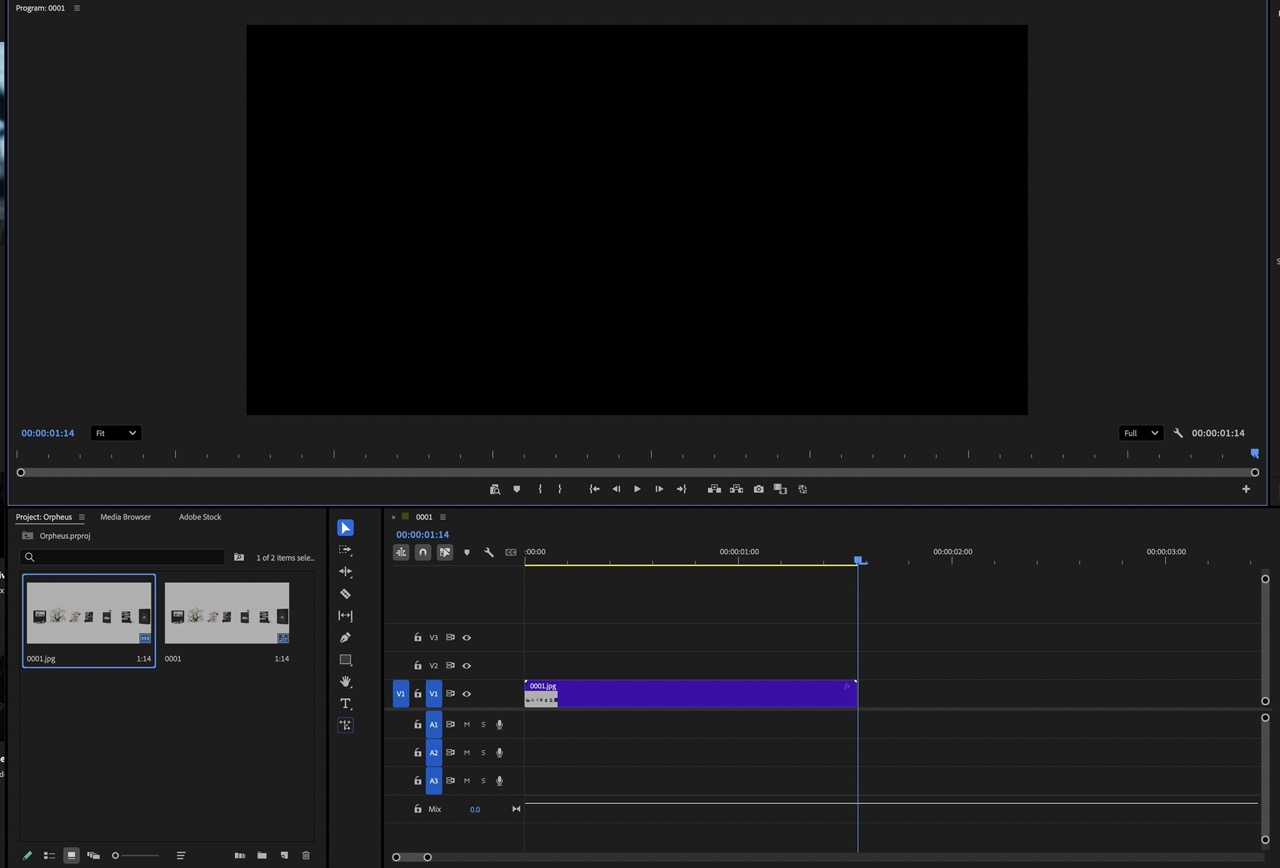
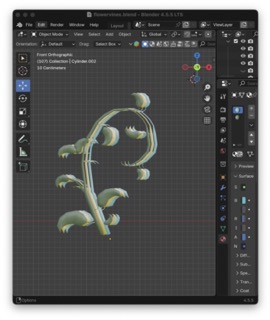
Using YouTube also added an accessibility advantage. Unlike AR- which can require specific hardware or fast connections and needing to have the item in front of you to scan- the 360 video can be viewed easily on any device. People can interact by clicking and dragging, or moving their phone to look around, giving them a sense of control. This makes the project more inclusive, particularly for audiences who may not have access to AR devices or are physically restricted.
Ethical Considerations
Ethical considerations has always been an important part of digital design, and it became a recurring theme in this project. The first consideration was accessibility, I wanted a format that everyone could try, regardless of physical ability or equipment. Using YouTube achieved that by allowing anyone with an internet connection to experience the 360 scene, people who are bedbound or less mobile can still enjoy the visual storytelling without needing expensive VR headsets or specialized software.
The second ethical focus was cultural representation. As the project was about Greek mythology, I wanted to make sure the story was treated with accuracy and respect, my goal was not to rewrite or modernise it beyond recognition, but to reinterpret it visually while keeping its emotional truth. Alongside this was that the story mentions themes of death, so it needed to be presented in a way that would not cause someone distress.
Lastly, I considered copyright and asset use. Whenever I used a found object, image, or texture, I made sure that it was either my own work or copyright-free. Using licensed or open-source materials ethically is a standard expectation in design. I also kept track of all sources so they could be listed and credited if needed.
Forward Thinking and Reflection
Emerging technologies are constantly evolving, and this project helped me see how design can adapt alongside them. The combination of graphic design and interactive media is an area full of potential. My project shows how posters can move beyond basic, 2D communication with an audience and can become part of larger, more dynamic experience.
Further development would be done by returning to the original augmented reality concept once technical and platform issues could be solved. Being able to scan posters and immediately see 3D animations appear in the real world would create a stronger link between physical and digital design.
In a classroom context, this concept could help students learn through exploration. Instead of just reading a story, they could interact with its visual world and objects. This kind of blended learning encourages creativity, empathy, and cross-cultural understanding. It also corresponds with design’s growing role in education and communication, proving that designers can contribute meaningful content to teaching and create engagement through new media.
Reflecting on the process, I learned that flexibility is one of the most important skills when working with emerging technology as technical issues can appear unexpectedly, when 8th Wall didn’t work, shifting to YouTube 360 kept the project alive and arguably made it more accessible, the experience strengthened my ability to adapt and problem-solve, which are essential traits for designing.
The project also reinforced that research, concept, and execution must stay connected. My final work reflects my initial aim – to use design as a teaching and storytelling tool- while demonstrating a clear process from idea to outcome.
Conclusion
In summary, this project explores how design, storytelling, and emerging technologies can be used together to create meaningful and accessible interactive experiences. By combining traditional poster design with a digital 360 environment, I demonstrated how 2D communication can evolve into immersive, educational storytelling. Even though the project shifted from augmented reality to 360 video, it still met my goal of encouraging curiosity and engagement through visual design.
References:
Hadestown Cast Recording 2CD. [online] Available at:https://hadestown.tmstor.es/product/hadestown-cast-recording [Accessed 5 Jan.2026].
Poster References
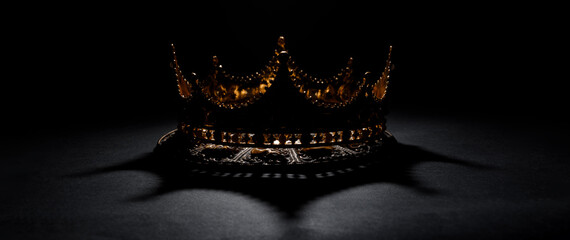
KDdesignphoto (2026). KDdesignphoto photos, images, assets. [online] Adobe Stock. Available at: https://stock.adobe.com/uk/contributor/208443976/kddesignphoto?load_type=author&prev_url=detail [Accessed 5 Jan. 2026].
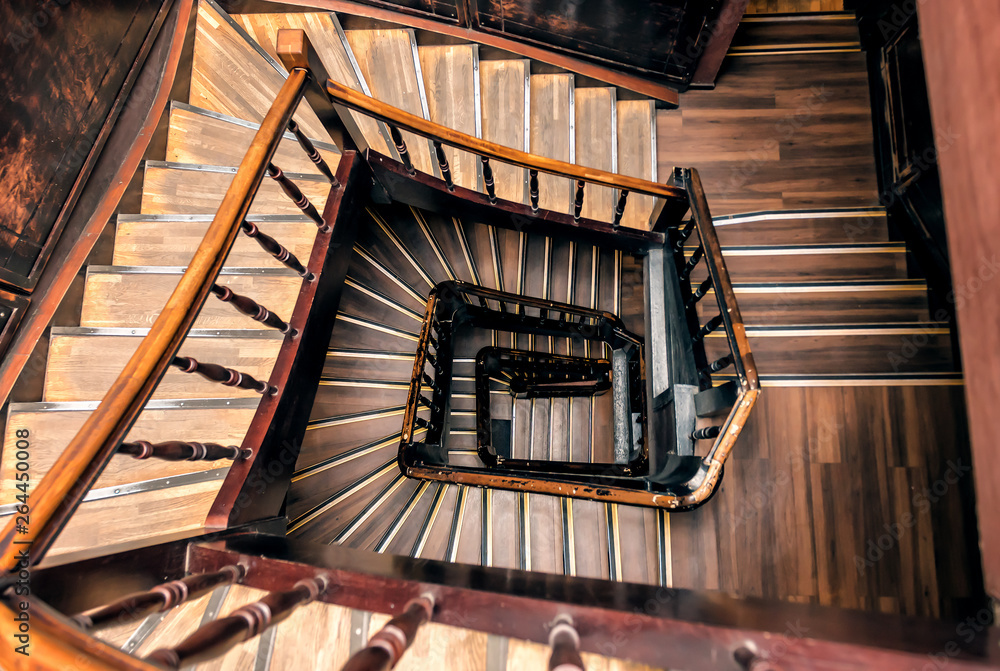
Volodymyr Shevchuk. (2025). Volodymyr Shevchuk. [online] Available at: https://stock.adobe.com/uk/Library/urn:aaid:sc:EU:635a89c2-95a0-442f-b3ac-8f566919f53d?asset_id=264450008 [Accessed 5 Jan. 2026].
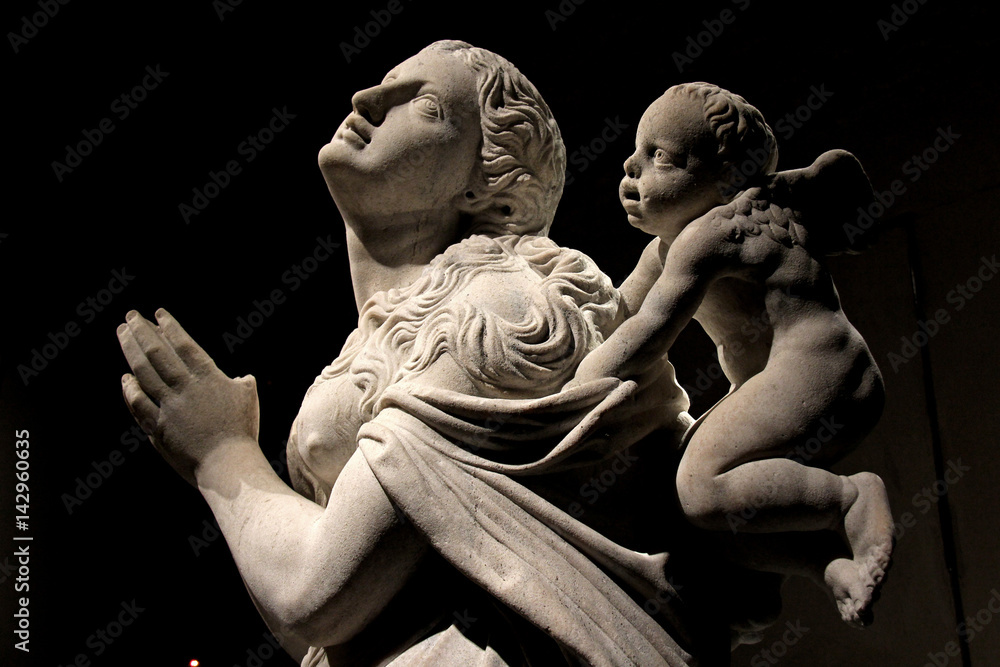
gabriffaldi (2025). gabriffaldi [online] Available at: https://stock.adobe.com/uk/Library/urn:aaid:sc:EU:635a89c2-95a0-442f-b3ac-8f566919f53d?asset_id=142960635 [Accessed 5 Jan. 2026].
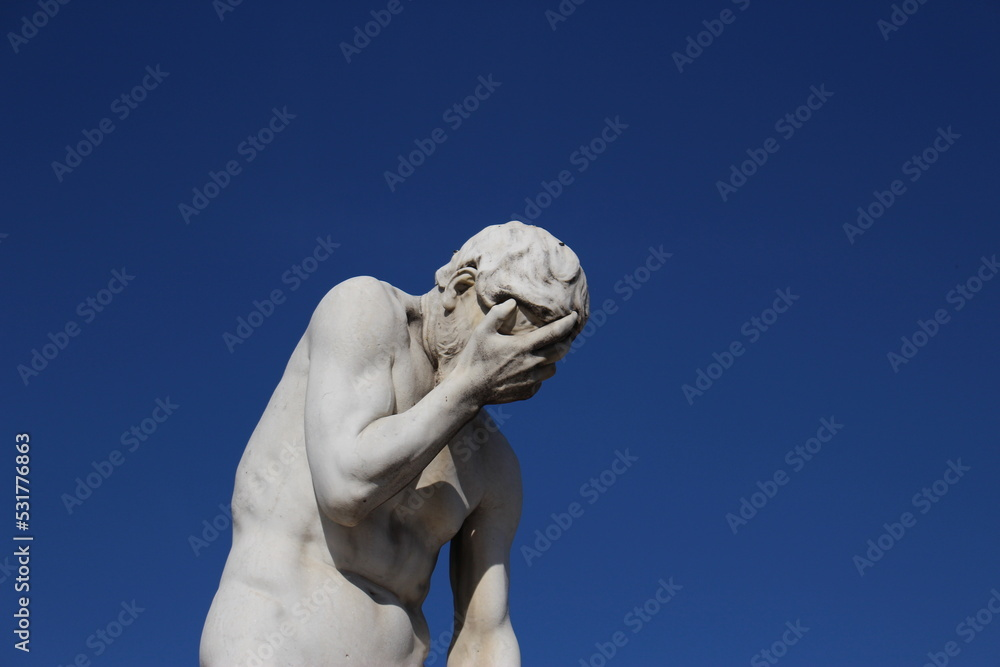
Aldercy Carling (2025). Aldercy Carling. [online] Available at: https://stock.adobe.com/uk/Library/urn:aaid:sc:EU:635a89c2-95a0-442f-b3ac-8f566919f53d?asset_id=531776863 [Accessed 5 Jan. 2026].
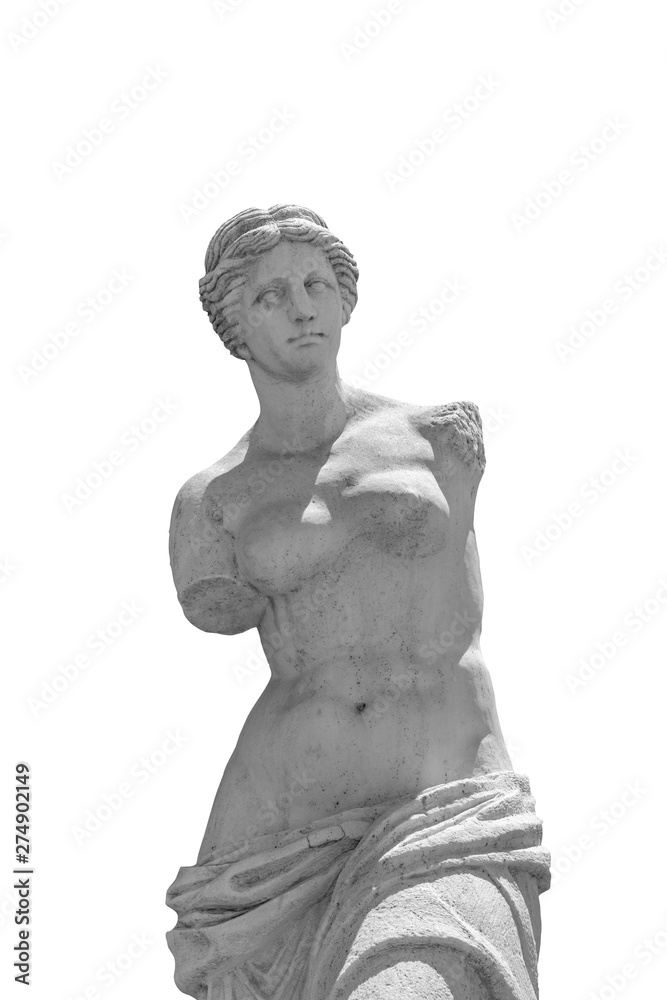
Jianyi Liu (2025).Jianyi Liu [online] Available at: https://stock.adobe.com/uk/Library/urn:aaid:sc:EU:635a89c2-95a0-442f-b3ac-8f566919f53d?asset_id=274902149 [Accessed 5 Jan. 2026].
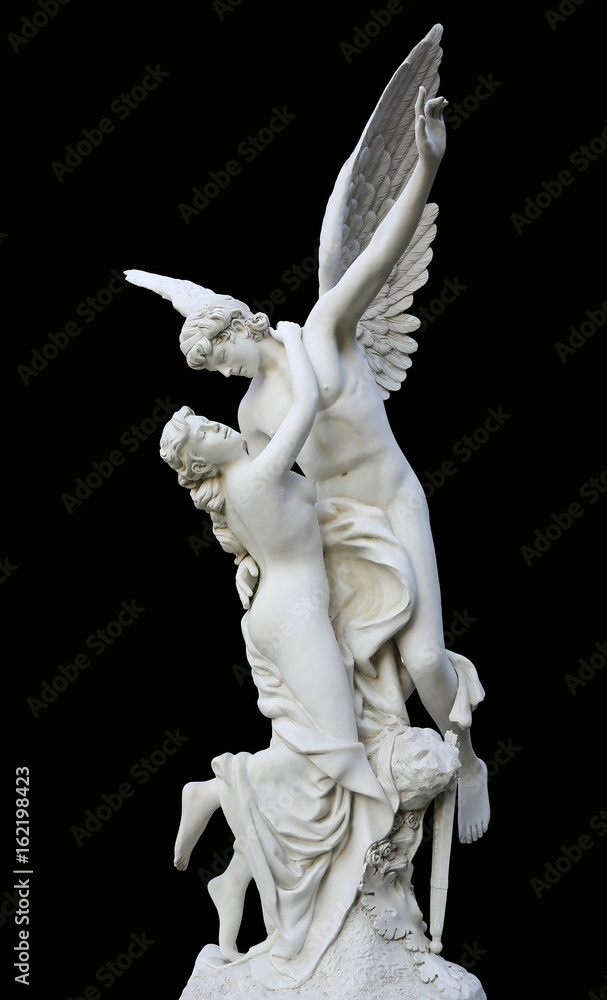
zilvergolf (2025). zilvergolf. [online] Available at: https://stock.adobe.com/uk/Library/urn:aaid:sc:EU:635a89c2-95a0-442f-b3ac-8f566919f53d?asset_id=162198423 [Accessed 5 Jan. 2026].