Proposal
Scouts is an organization that was founded in 1908 by Lord Robert Baden-Powell which aims to teach young people valuable life skills. The movement started when Baden-Powell returned from military service and noticed groups of young boys -who called themselves “boy scouts”- were learning skills from a book he made to teach military scouts. After seeing this, he realized there was an opportunity to create a different version of scouting which focused on teaching young people citizenship, character development, and physical fitness.
“The Mission of Scouting is to contribute to the education of young people, through a value system based on the Scout Promise and Law, to help build a better world where people are self-fulfilled as individuals and play a constructive role in society.”
(World Scouting, 2023)
The scouts motto is “Be Prepared,” as the organization encourages young people to develop resilience and adaptability in various situations. Utilizing various outdoor activities such as camping, hiking, and teamwork exercises, Scouts also learn to develop an appreciation for nature and community.
The organisation is guided by 5 values; integrity (understanding the importance of being honest), respect (accepting and including others, as well as how you treat yourself and others), care (creating a better world by caring for surroundings.), belief (Exploring other beliefs) and cooperation (To help make a positive difference with others and the world).
We are ‘guided by’ the values. This describes the relationship a Scout should have with the Scout values, and that the values have an influence on the decisions we make and the actions we take. The values are deliberately shared and personal rather than organisational, making them directly applicable to our members.
(Scouts.org.uk, n.d)
The target audience for Scouts is people who are aged 4- 25 years old (scouts n.d.) who would be interested in joining/ have joined a section within the organisation. Some secondary audiences would be parents/guardians who are interested in joining as a volunteer as well as sending their young person to a group. Companies would also be part of the target audience as they can sponsor Scouts.
Each section has different specifications to focus on.
For squirrels – ages 4- 6 years old – their focus is around making friends, learning a little about nature and their community as well as expressing their creativity.
For beavers -ages 6-8 – their focus is about learning basic outdoor skills, engaging in nature activities and doing team building exercises.
Cubs – aged 8-10 – focus on learning knots and pioneering, make and do community service activities as well as being introduced to camping.
Scouts -aged 10-14- develop their beginner camping skills into more advanced camping and begin navigation and map reading alongside more advanced first aid.
The last section is Explorers – aged 14-18 – is focused on leadership development and mentoring younger members of scouts (specializing in outdoor activities). These goals for each section are chosen based on what would intrigue the age group as well as what is achievable.
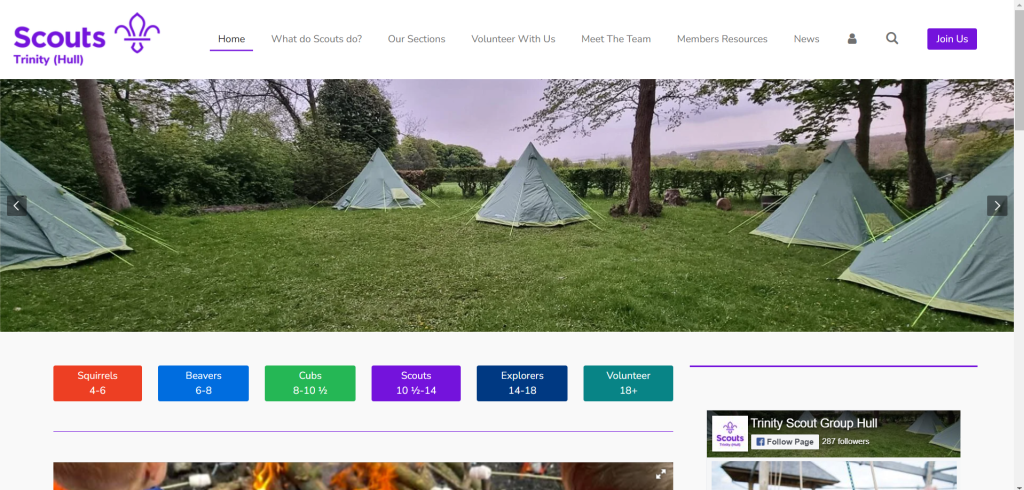
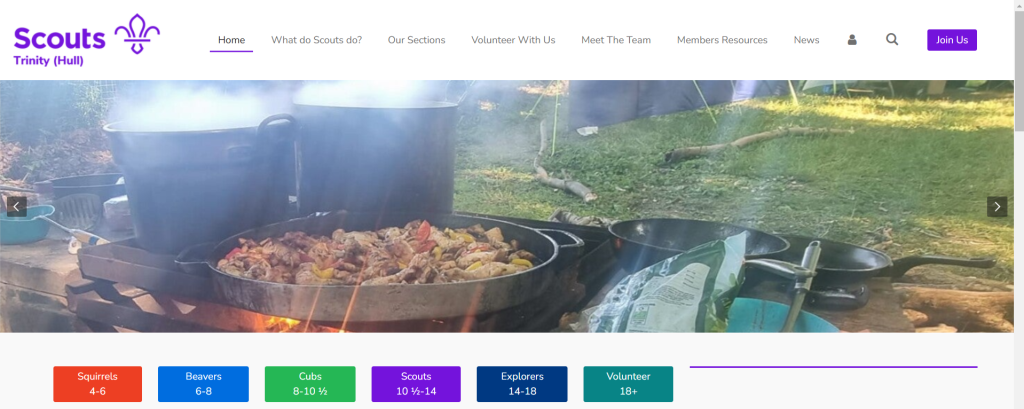
After looking at the Trinity Scout site, it is clear that some basic features needing adding and/or refining before developing interactivity any further. Some of the things that may lower how professional the site is or user satisfaction is that the images do not look professional (i.e blurry images), the header does not take up space like many other sites and looks more like it should be a scrolling text banner, similarly, the text used is grey instead of black which (whilst it’s easier on viewers eyes) it makes it harder for areas to stand out i.e the header. The website is responsive but it seems as though the site layout is more suitable for portrait devices rather than computers / wide screen devices.
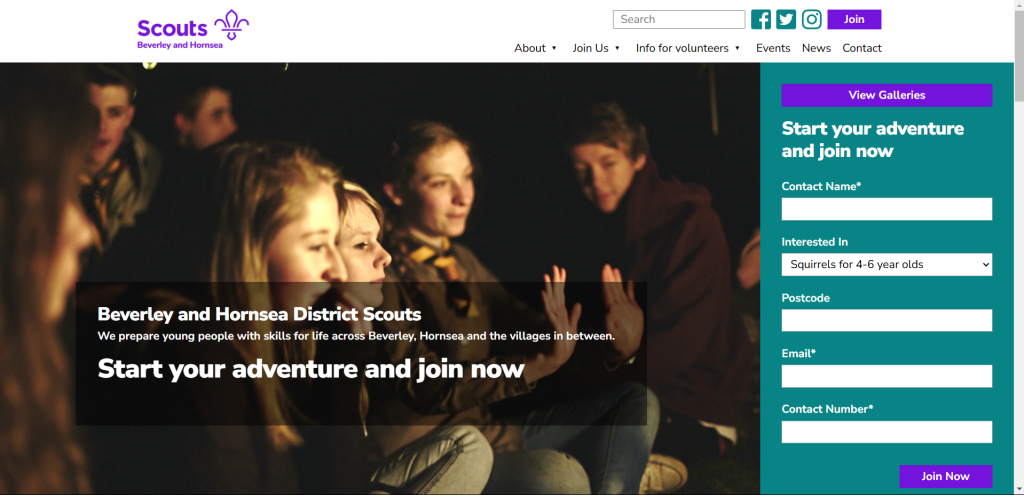
Comparing the Beverly and Hornsea scout site to the Trinity site, you can see that both websites are influenced by the main scouting site, this will have been done to make it clear to viewers that it is an official branch off the scouting organisation. However, the Trinity scout site is not as visually engaging and is less saturated compared to the other sites.
Trinity’s website is catered more towards adults which -seeing as they are part of their target audience – means that they are reaching the correct audience. However, taking into consideration young people are part of the main audience, the site does not entirely engage that age demographic.
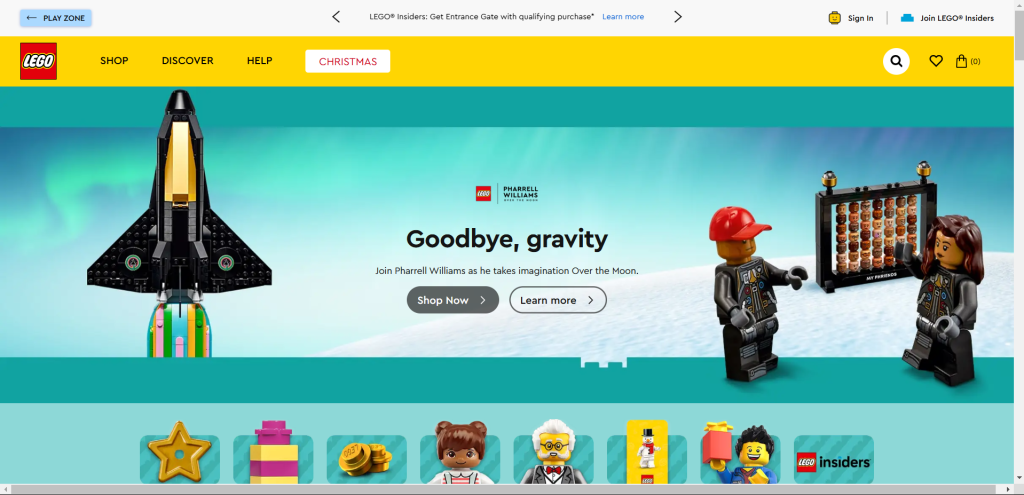
The Lego website is catered towards younger age groups but is still professional enough for older audiences to understand how to navigate the site. Using this site for inspiration allows for a deeper understanding on how to effectively create a website for both young and older audiences.
Lego’s website caters towards both adults as it utilizes vibrant, complementary colours whilst keeping a clear branding. Similarly, to keep both age groups interested, they use a variety of graphics that are colourful for the younger age group, but the art style is not entirely like a cartoon and has a memorable layout, which caters towards the older age demographic. Because these design choices are cohesive, it means users will have a higher chance of staying on the site as it is visually appealing as well as intuitive. Lego’s site is a good site to take inspiration from as Scouts is also catered towards kids as well as adults.
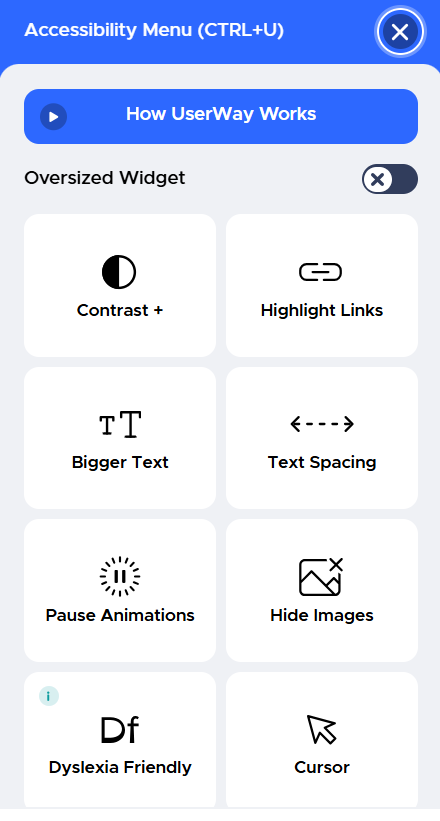
Similarly, the Yorkshire Wildlife Trust is a good site to take inspiration from for accessibility. To ensure that as many people could access their site, they created a side bar that would allow people to customize the site to make it as accessible as they needed. For the re-design, some features that Yorkshire Wildlife Trust have in their accessibility panel could be considered to ensure viewers will view and stay on the site.
Trinity scouts utillise various social media platforms to advertise their services as an organisation. However, the platforms that they are on are not as publicized, meaning that their posts may not generate a lot of traffic, resulting in low interactivity. To increase the platforms visibility, each post would have a variation that is suitable for each platforms display size and would then every so often have posts linking to other platforms.
LEGO (2019)
References
World Scouting. (2023). Scouting’s Mission and Vision and its Relation to AiS – Scoutship. [online] Available at: https://scoutship.scout.org/handbook/mission-and-vision/ [Accessed 2/11/24].
Scouts.org.uk. (n.d). Scouts – Our Scout Values. [online] Available at: https://www.scouts.org.uk/volunteers/learning-development-and-awards/training/trainers/delivering-the-modules/delivering-training-for-all-appointments/fundamentals-of-scouting-module-5/fundamentals-details/our-scout-values/. [Accessed 2/11/24].
www.scouts.org.uk. (n.d.). Scouts. [online] Available at: https://www.scouts.org.uk/. [Accessed 10/11/24]
Bandhscouts.org.uk. (2024). We prepare young people with skills for life across Hull | Preparing young people with #SkillsForLife across Beverley and Hornsea. [online] Available at: https://www.bandhscouts.org.uk/ [Accessed 10/11/24].
LEGO (2019). Home | Official LEGO® Shop GB. [online] Lego.com. Available at: https://www.lego.com/en-gb.[Accessed 10/11/24]
www.ywt.org.uk. (n.d.). Home | YWT. [online] Available at: https://www.ywt.org.uk/. [Accessed 10/11/24]