Visual Design Treatment
Edward Rolf Tufte is a statistician and professor at Yale University. He is considered to be a pioneer in the field of data visualisation. He developed 6 principles of graphical integrity in his book – The Visual Display of Quantitative Information. These principles are widely accepted by data visualisation experts all over the world.
Radhika R. (2020)
Examples of Tufte’s Principles
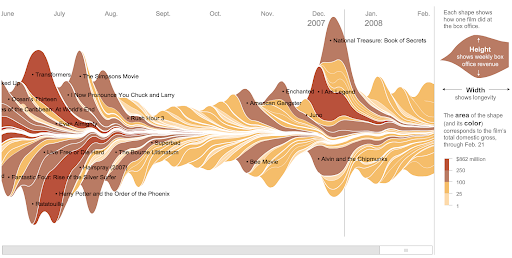 Use of colourFarrell, N. (2024)
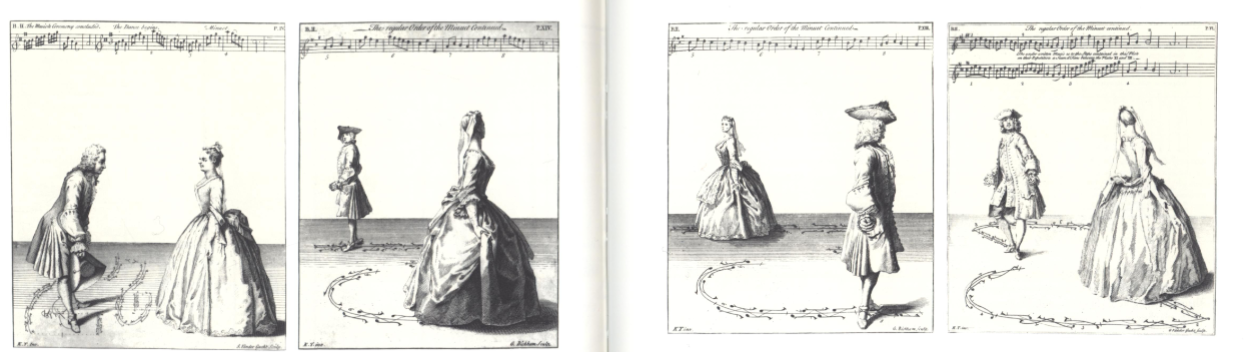
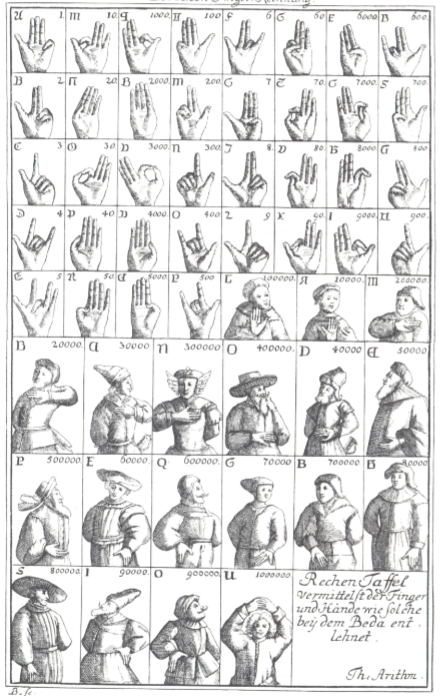
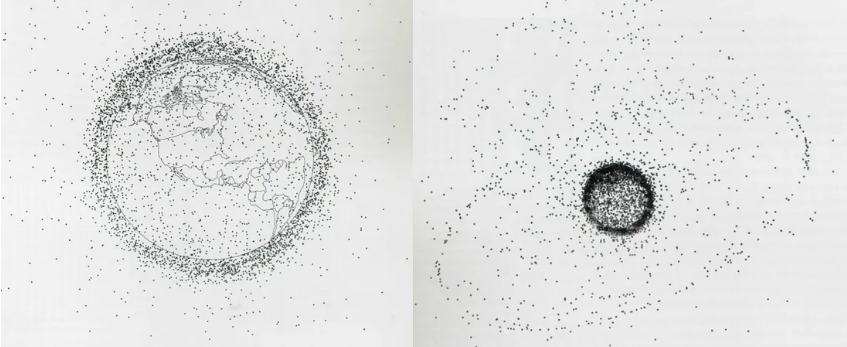
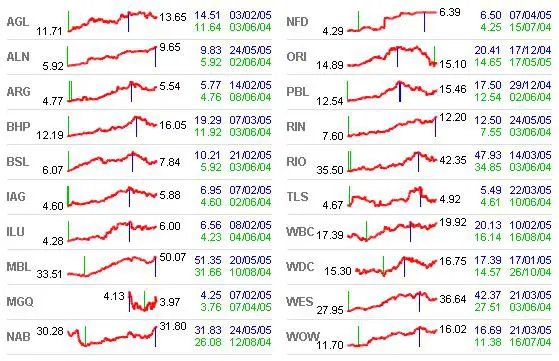
5 of Tufte’s principles are colour, space over time, layering and separation, micro/macro and comparison of small multiples. Looking at each of these principles will allow me to create a product that will get the correct message across to viewers.
Use of colour –”The main focus in using colour to convey information is to avoid mishap, rather than to strive for great designs and colour combinations” (Abubakar. Z 2025)
Space over time – ‘effective device for enhancing the explanatory power of time-series displays ‘(closeread n.a.)
Layering separation – ‘ important set of principles that can help reduce clutter and confusion’
Micro/Macro – ‘We are accustomed to seeing the “big-picture”…as well as the “details”'(Williford.B 2016)
Comparison of small multiples – ‘Repetition serves as a familiar pattern, which can quickly be grasped, allowing for the viewer to focus their attention on what’s changing in each repetition’ (Williford.B 2016)
Each of these principles can be added into the product to enhance it’s visual appeal as well as user experience.
The use of colour and layering separation can play a key role in typography. By adding a contrasting background colour behind coloured text, you can create a clearer distinction between the text and its background, ensuring it stands out and is easy to read.
The principles of micro/macro and space over time can be followed by using animation. By zooming in and out of key areas, it can create dynamic movement, allowing the audience to focus on specific elements of the design while also watching the progression of the animation.
When considering the principle of small multiples, this can be illustrated through the repetition of an object performing the same movement or action. By showcasing different variations of a product in a series of these repeated movements, viewers can compare and contrast each design, observing how the product evolves or adapts.
References:
Radhika R. (2020). Edward Tufte’s Six Principles of Graphical Integrity. [online] www.linkedin.com. Available at: https://www.linkedin.com/pulse/edward-tuftes-six-principles-graphical-integrity-radhika-raghu. [Accessed 11 Mar. 2025].
Abubakar. Z (2025). Github.io. [online] Available at: https://cms633.github.io/Fall-2018/commentary/edward-tufte-color-and-information.html [Accessed 11 Mar. 2025].
closeread (2025). The Visual Display of Quantitative Information – Closeread. [online] Closeread.dev. Available at: https://closeread.dev/gallery/examples/minards-map/ [Accessed 12 Mar. 2025].
Williford. B 2016. Information Design. [online] Medium. Available at: https://medium.com/@blakewilliford/information-design-9-29-ee995efb584e. [Accessed 11 Mar. 2025].
Image References:
Shruthi Sampathkumar (2019). Micro / Macro Readings – Shruthi Sampathkumar – Medium. [online] Medium. Available at: https://medium.com/@shurisk96/micro-macro-readings-cd987ce6bc63 [Accessed 12 Mar. 2025].
Farrell, N. (2024). Overwhelmed by Data? Discover How Edward Tufte’s Visualization Techniques Turn Confusion into Clarity | AnswerNet. [online] AnswerNet. Available at: https://answernet.com/overwhelmed-by-data-discover-how-edward-tuftes-visualization-techniques-turn-confusion-into-clarity/ [Accessed 12 Mar. 2025].
andrewtk (2016). Tufte’s Principles. [online] thedoublethink. Available at: https://thedoublethink.com/tuftes-principles-for-visualizing-quantitative-information/.
Tufte. E.R., 1990. Envisioning Information. Cheshire, Connecticut: Graphics Press. (p. 115). [Accessed 11 Mar. 2025].
Tufte. E.R., 1990. Envisioning Information. Cheshire, Connecticut: Graphics Press. (p. 63).[Accessed 11 Mar. 2025].