Experimentation + Prototyping
Hover over images to zoom in to images
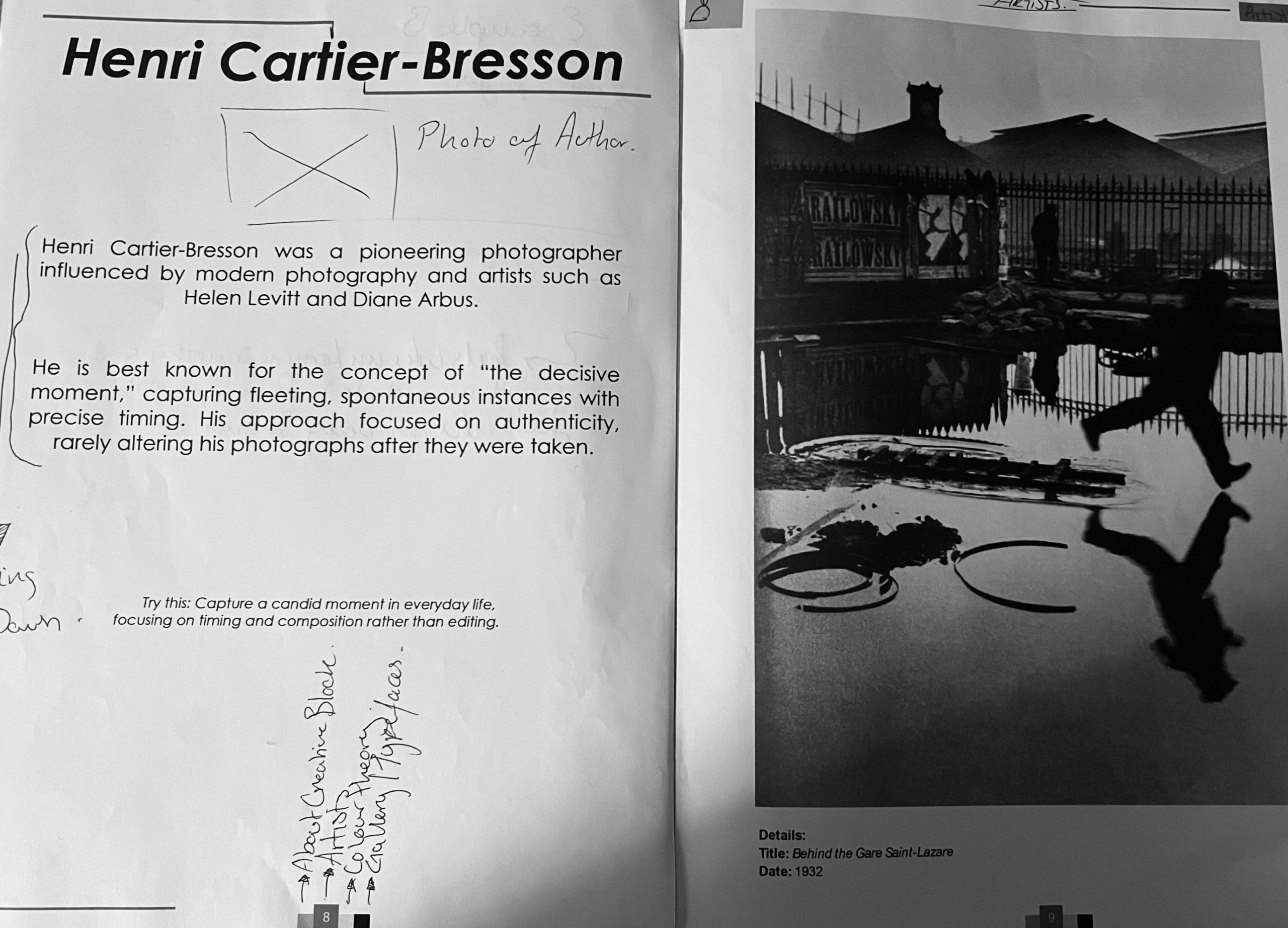
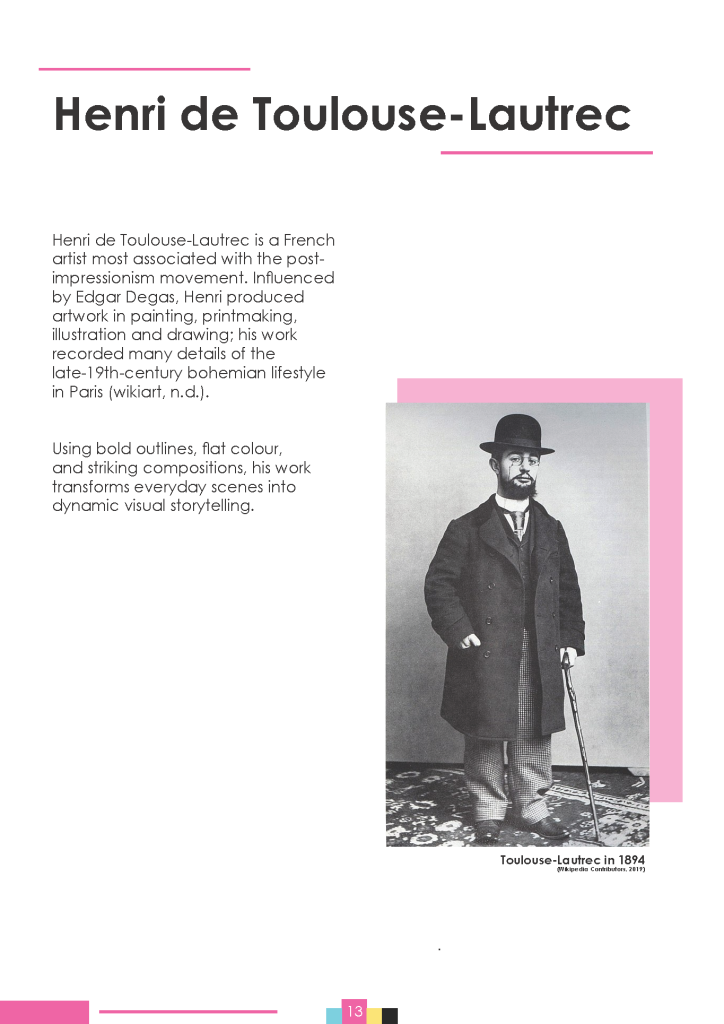
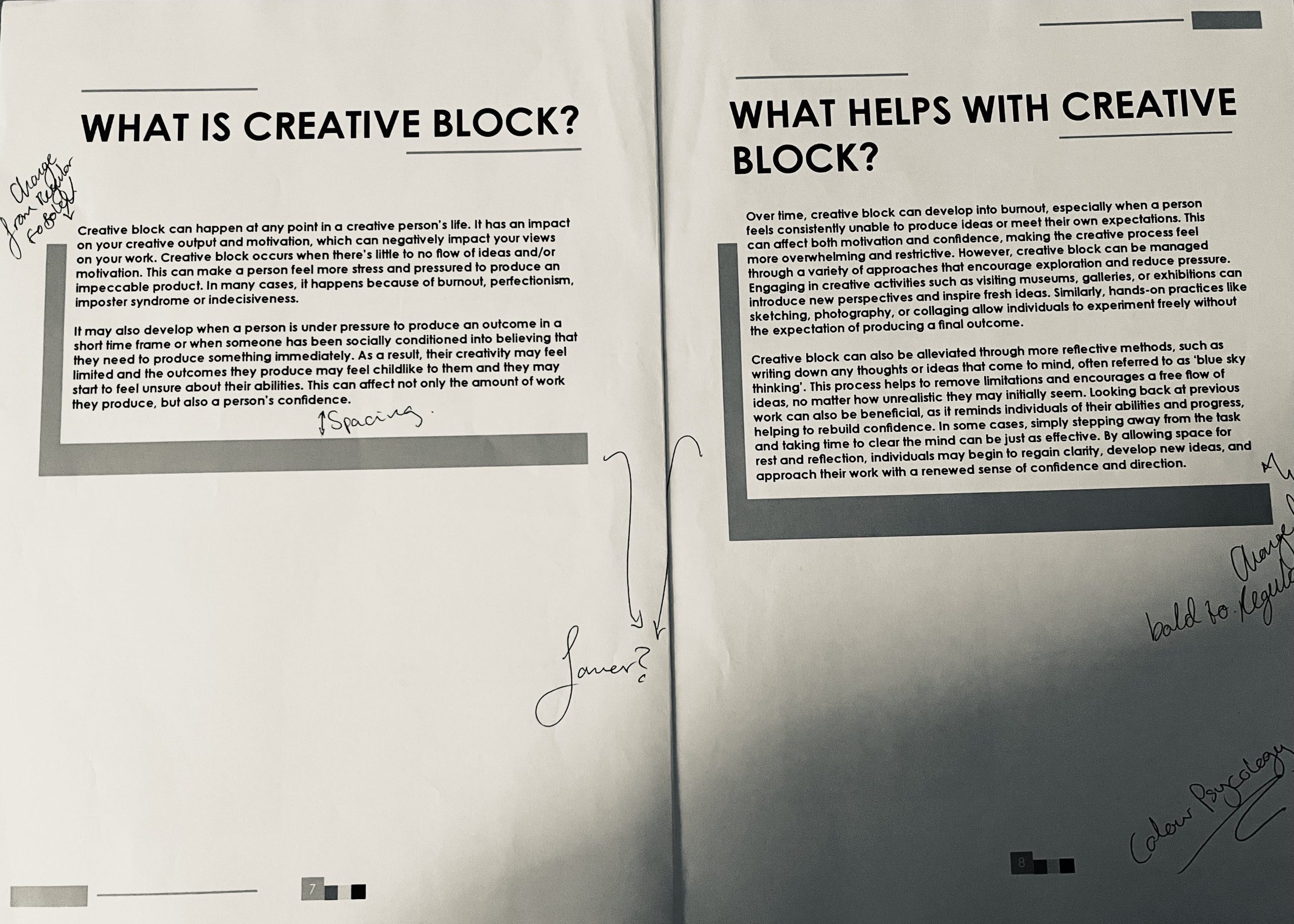
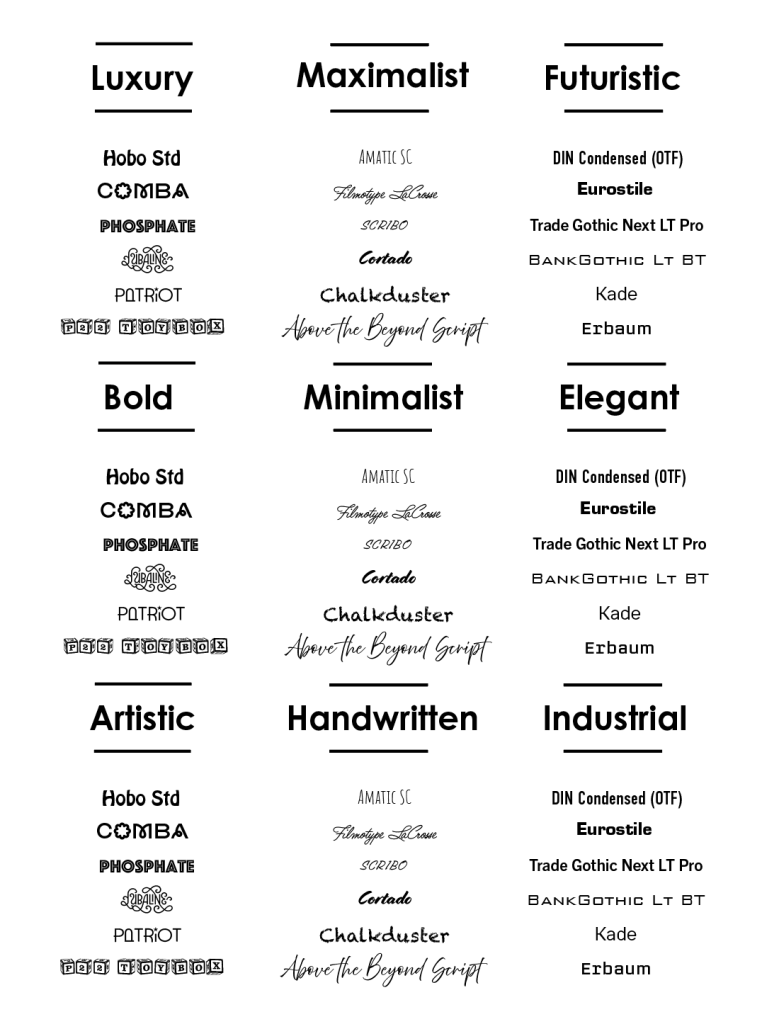
To begin prototyping, I produced printed versions of my page designs to understand how they functioned in a physical format. This allowed me to test how visual content and prompts worked together on the page and whether the layouts supported clarity and ease of use. I created a range of variations, experimenting with different arrangements of imagery, text, and prompts.
Through this process, I evaluated how clearly prompts could be integrated within the layout and whether they were easy for users to identify and engage with. Some early versions were less effective, as the layouts felt crowded and made it difficult to distinguish between informational content and prompts. This highlighted the importance of spacing, hierarchy, and visual separation.
As a result, I refined my designs by increasing spacing, simplifying compositions, and ensuring that prompts were clearly separated from the main content. These adjustments improved clarity and usability, making the book easier to navigate and more effective as a tool for guiding creative thinking.
Sustainability also informed this stage of development. I printed only essential pages to minimise waste, used recycled paper for test prints, and tested layouts digitally before producing physical prototypes. These decisions supported a more ethical and environmentally conscious design process.
Overall, experimentation and prototyping were essential in shaping the final visual system, ensuring that the book was both functional and accessible for users experiencing creative block.